

 Our Academic Departments
Departments
SSRPC offers comprehensive academic programs across key pharmaceutical disciplines. Each department is dedicated to providing quality education, practical training, and research opportunities to prepare students for successful careers in the pharmaceutical and healthcare sectors.

Pharmaceutics is a fundamental branch of pharmaceutical sciences that focuses on transforming a new or existing drug into a safe, effective, and patient-friendly dosage form. It involves the science and technology of formulating pure drug substances into medicines that can be accurately delivered to achieve optimal therapeutic outcomes.
This discipline plays a vital role in bridging the gap between drug discovery and clinical application. It encompasses the design, development, manufacturing, and evaluation of various dosage forms such as tablets, capsules, injections, and topical preparations.
At its core, pharmaceutics ensures that medications are not only effective but also stable, safe, and convenient for patient use. By integrating principles of chemistry, biology, and engineering, it contributes significantly to enhancing drug performance, patient compliance, and overall healthcare outcomes.

Pharmaceutical Chemistry is a vital branch of pharmaceutical sciences that focuses on the design, synthesis, characterization, and analysis of drug molecules. It integrates principles of chemistry and pharmacology to understand how chemical substances interact with biological systems to treat and prevent diseases.
This discipline provides a strong foundation for studying the structural and functional aspects of drug compounds, including structure–activity relationships (SAR), chemical stability, and synthetic pathways. It plays a crucial role in the discovery and development of new drugs as well as in ensuring their quality, safety, and efficacy.
Pharmaceutical Chemistry also supports quality control and regulatory compliance by enabling the identification, testing, and standardization of pharmaceutical substances, thereby contributing significantly to the advancement of modern healthcare.

Pharmacology is a core discipline in pharmaceutical sciences that explores the interactions between drugs and living systems. It focuses on understanding how medicines produce their effects, the mechanisms behind their actions, and their overall impact on human health.
This subject equips students with in-depth knowledge of drug actions, therapeutic applications, adverse effects, drug interactions, and toxicological profiles. It plays a crucial role in ensuring the safe and effective use of medications.
Pharmacology serves as a vital link between pharmacy and medicine by explaining both pharmacodynamics (the effects of drugs on the body) and pharmacokinetics (the absorption, distribution, metabolism, and excretion of drugs). This understanding enables the development of rational drug therapy and improved patient care.
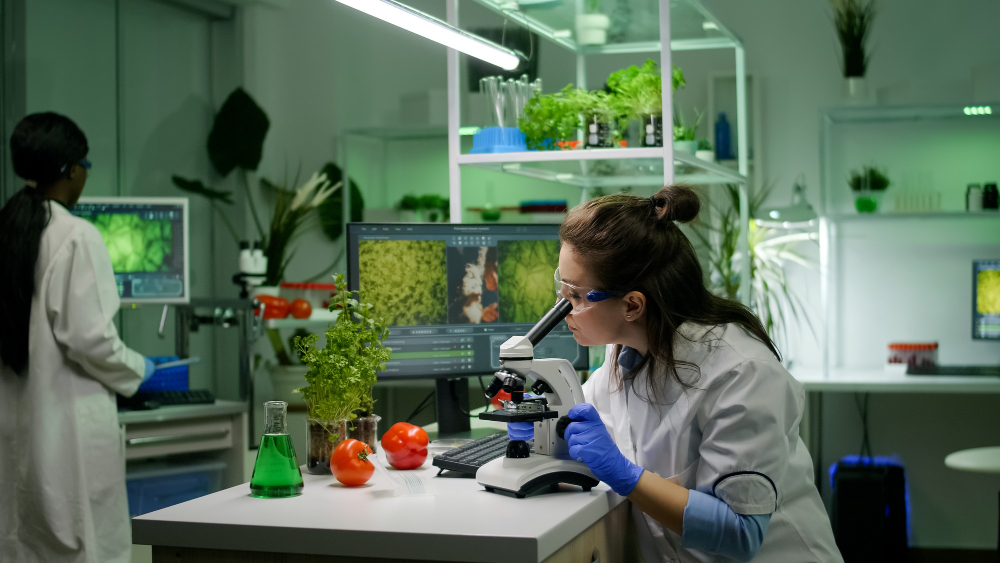
Pharmacognosy is the branch of pharmaceutical sciences that deals with the study of natural drugs derived from plant, animal, and mineral sources. It focuses on the identification, isolation, characterization, and evaluation of bioactive compounds obtained from natural origins.
This discipline provides essential knowledge about medicinal plants, herbal drugs, and their therapeutic properties. It emphasizes the role of natural products in drug discovery and development, highlighting their importance in traditional and modern medicine.
Pharmacognosy also involves the standardization and quality control of herbal medicines to ensure their safety, efficacy, and purity. By integrating traditional knowledge with modern scientific techniques, it contributes significantly to the development of novel and sustainable healthcare solutions.